RAG → Deep Research
Cutting-Edge Tutorial · ACM SIGKDD 2026

Retrieval-Augmented Generation (RAG) — From Modular to Agentic Systems

A 3.5-hour, evidence-backed tour of modern RAG — grounded in an AI-assisted analysis of 2,000+ papers (2020–2026).

Paper Radar

An interactive survey of ~2,000 papers

Organized by topic and continuously updated — explore methods, timelines, and benchmarks during and after the session. This tutorial is itself an instance of AI-facilitated Deep Research.

More related surveys & courses. Browse our growing collection of surveys, reading lists, and short courses on factuality, RAG, and agents — curated and kept current.

Explore more on papers.lunadong.com →
3.5 hoursHalf-day, lecture-style
2,000+Papers analyzed
3RAG paradigms
Agenda

Schedule

A single running example evolves across all sessions, with live polls at key decision points. Each section links to its own slide deck.

1

Intro

40 minSlides
1.1Introduction
1.2Factuality Overview
1.3RAG Benchmarks & State-of-the-art
2

RAG Deep Dive

2.1  Modularized RAG

50 minSlides
2.1.0Overview5 min
2.1.1RAG Triggering8 min
2.1.2Query Rewriting8 min
2.1.3Retrieval8 min
2.1.4Post-processing10 min
2.1.5Answer Generation11 min

2.2  Graph-Enhanced RAG

30 minSlides
☕ Coffee Break 30 min

2.3  Agentic RAG

30 minSlides
3

Advanced Topics

3.1  Deep Research

20 minSlides

3.2  Multi-modal RAG

20 minSlides
4

Practical Tips, Synthesis & Future Directions

15 minSlides
Presenters

Speakers

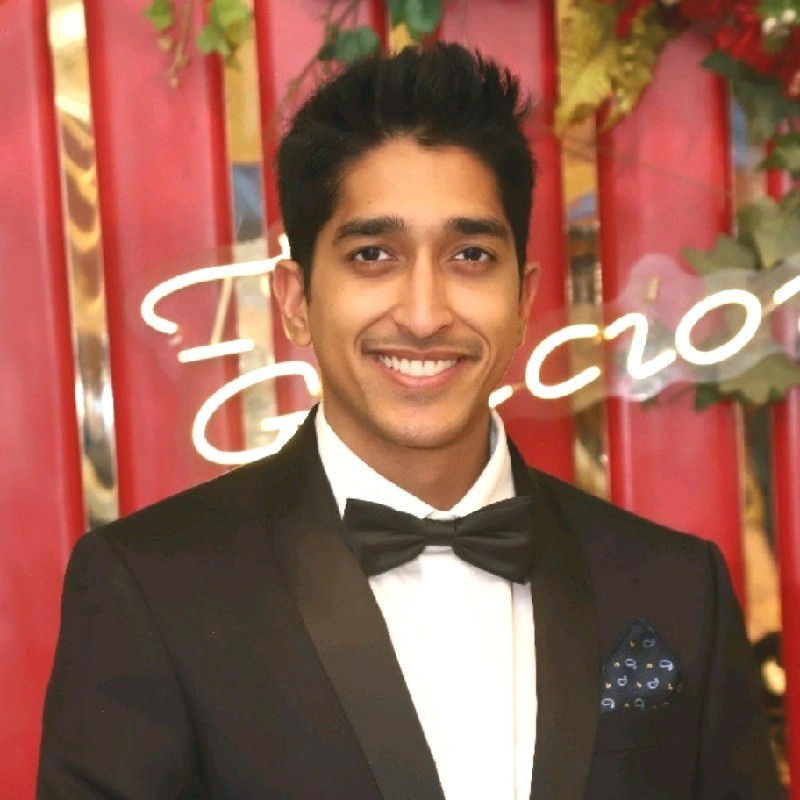
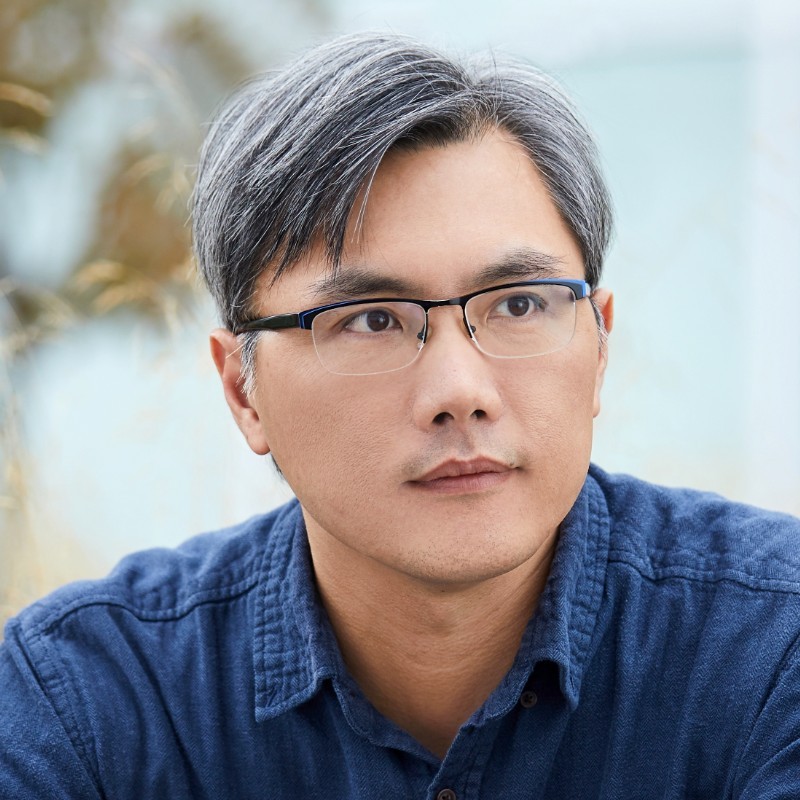
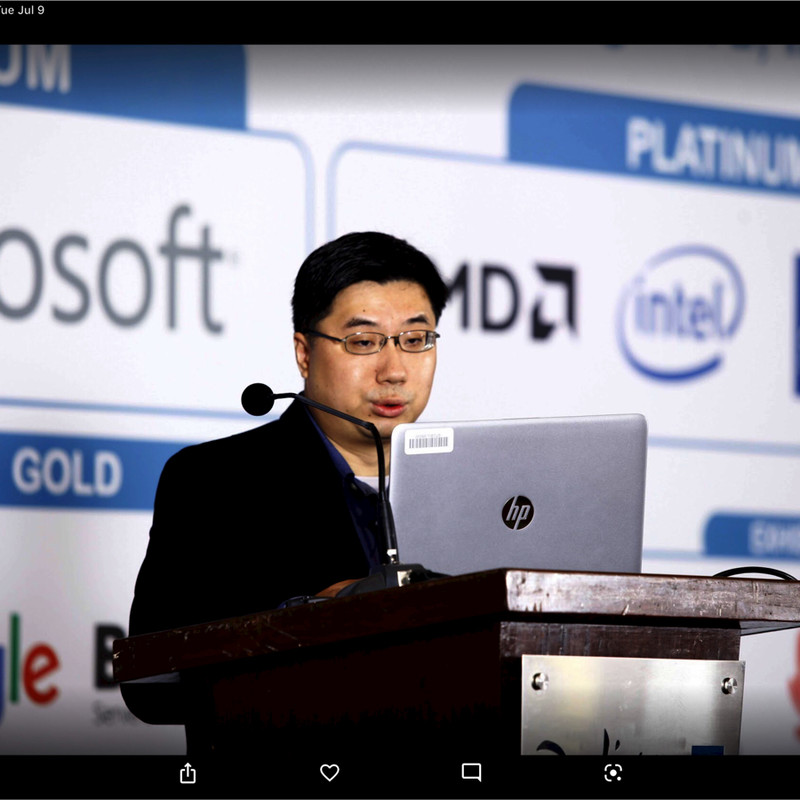
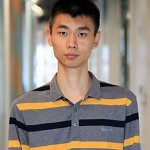
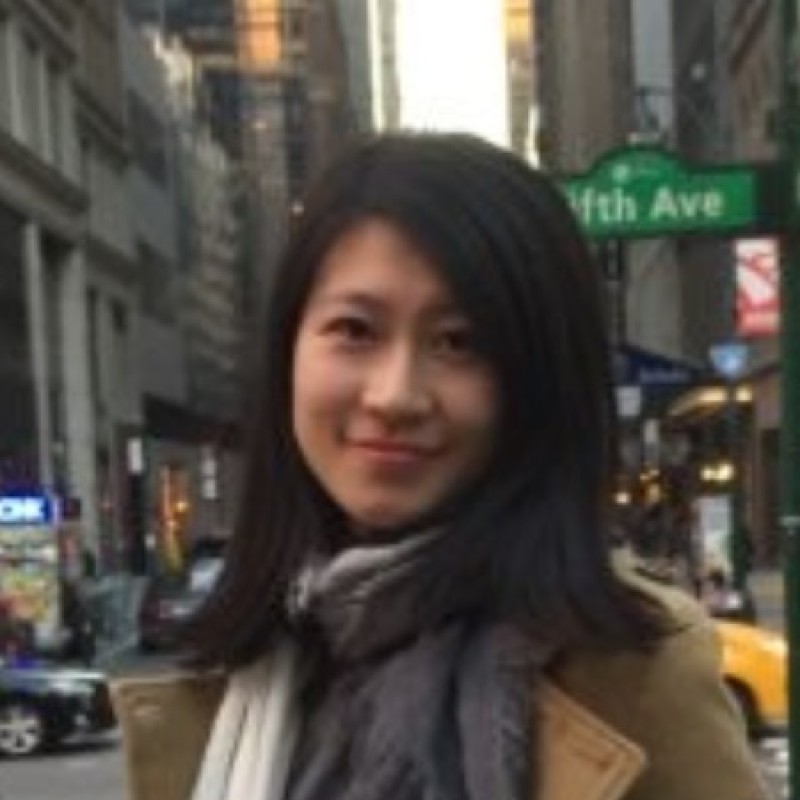
Early inventors of RAG, active researchers, and industry practitioners — organizers of KDD Cup 2024 (CRAG) & 2025 (CRAG-MM).

Xin Luna DongXin Luna DongPrincipal Scientist, Meta Wearables AI · ACM & IEEE Fellow
Sanat SharmaSanat SharmaResearch Engineer, Meta Reality Labs
Scott Wen-tau YihScott Wen-tau YihResearch Scientist, Meta FAIR · Affiliate Professor, UW · ACL Fellow
Yinglong XiaYinglong XiaApplied Research Scientist, Meta Recommendation Systems
Xiao YangXiao YangResearch Scientist, Meta Reality Labs
Kai SunKai SunResearch Scientist, Meta Reality Labs
Jiaqi WangJiaqi WangML Engineer, Meta Reality Labs
Franklin ZhangFranklin ZhangUW CSE · Online AI Companion
More about the tutorial

More about the tutorial

Abstract

One framework for a fast-moving field

Despite well-known hallucination issues, LLMs have become an increasingly indispensable source of information, and the underlying technology has advanced rapidly to make their answers far more reliable. Early on, Retrieval-Augmented Generation (RAG) emerged as the dominant remedy, grounding LLM responses in external knowledge and evolving from simple retrieve-then-read pipelines into modular, graph-enhanced, and agentic systems. More recently, Agentic Deep Research has pushed the frontier further, equipping LLMs with autonomous planning, multi-hop investigation, and iterative synthesis to tackle open-ended questions that no single retrieval pass can answer.

This tutorial offers an in-depth treatment of modern RAG and Deep Research, grounded in an AI-assisted systematic analysis of 2,000+ recent papers (2020–2026). Attendees will leave with a structured roadmap, evidence-backed practical recommendations, and a clear map of open research opportunities.

01

Modular Pipeline RAG

Five independently optimizable stages — triggering, query rewriting, retrieval, post-processing, and answer generation.

02

Graph-Enhanced RAG

Knowledge graphs and hybrid retrieval, GNN–LLM integration, and multi-hop reasoning for complex QA.

03

Agentic Deep Research

Learned retrieval policies and long-horizon agents that plan, browse, reason, and synthesize cited reports.

Running Examples

Questions we'll learn to answer

A single question grows across the tutorial — from a simple lookup to an open-ended research task — each technique visibly improving on the last. We follow one running electric-vehicle example across the full range of question types:

Simple

What is the battery capacity of a Tesla Model 3?Expected answer: a single number (e.g., "~60 kWh for the Standard Range, ~82 kWh for the Long Range").

Complex

Which has a longer driving range — the Tesla Model 3 or the Lucid Air?

Deep Research

I'm considering buying an electric vehicle in 2026. Which model is the best choice, and why?Expected answer: a short structured report identifying 2–3 top candidates, comparing them across key dimensions, and offering a recommendation tailored to the user — along with the main trade-offs.

Multi-modal

[Photo of an EV in a parking lot] How far can it go on a full charge?Expected answer: "That looks like a Tesla Model 3 Long Range — it has an EPA-rated range of about 358 miles on a full charge."

Preparation

Reading list

marks recommended pre-reading. The full ~2,000-paper list lives in the online companion.

Lewis et al. 2020The original RAG for knowledge-intensive NLP.
Gao et al. 2024Comprehensive RAG-for-LLMs survey.
Huang et al. 2023Survey on hallucination in LLMs.
Guu et al. 2020REALM — RAG pre-training.
Asai et al. 2023Self-RAG — retrieve, generate, critique.
Jiang et al. 2023FLARE — active retrieval.
Edge et al. 2024GraphRAG — query-focused summarization.
Jin et al. 2025Search-R1 — RL for search engines.
Yang et al. 2024CRAG — end-to-end RAG benchmark.
Ni et al. 2025Trustworthy RAG survey.